Performers use headshots to get noticed by agents, casting directors and producers. Casting teams often see many images for a single role, so a headshot needs to be clear, current and honest. The most important rule is simple: the person in the photo should look like the person who arrives at the audition.
This guide is general information written in our own words. We don't recommend particular photographers, studios or products, and we never quote prices: rates vary widely, so ask for written quotes.
Look like yourself
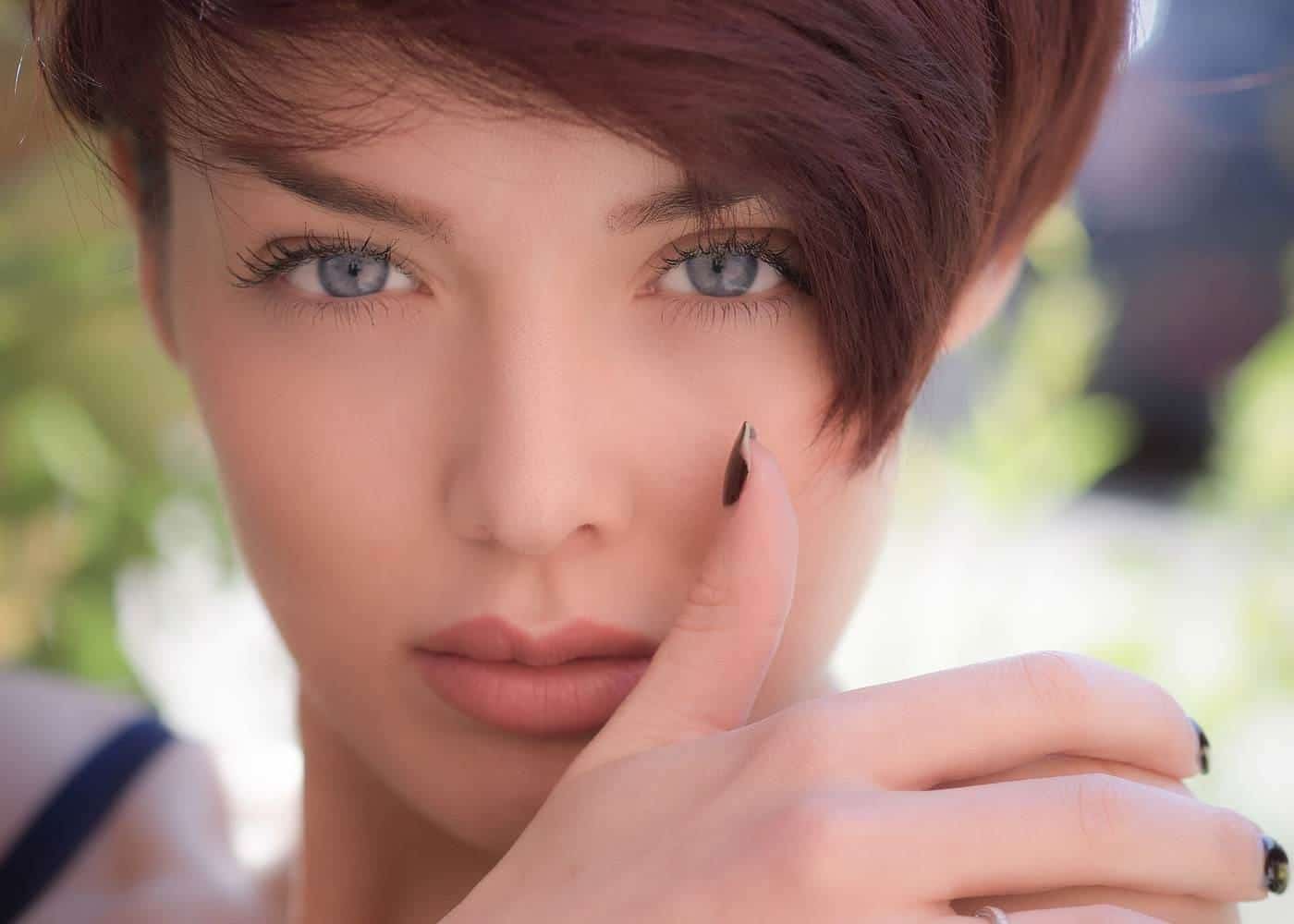
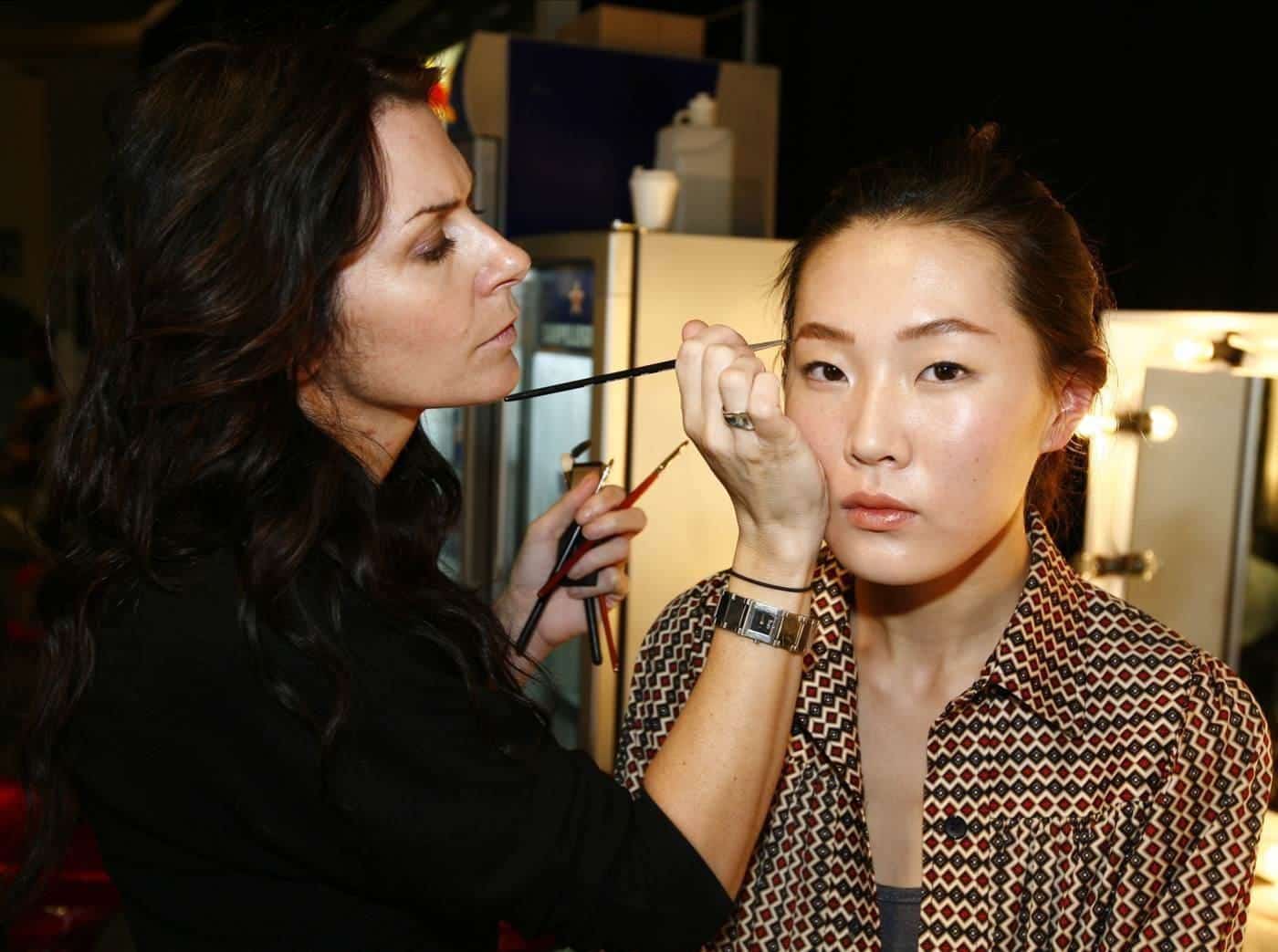
Casting teams want to see your natural face, hair and build. A heavily styled or retouched photo might look striking, but it can work against you if you look different in the room. Keep make-up natural, keep hair similar to how you usually wear it, and avoid filters that change your features.
Crops and composition
Head-and-shoulders crops are common because they show your face clearly. Some casting platforms also want a mid-shot or full-length photo to show build. Check the requirements of the platforms and agents you work with, and ask your photographer for crops that match.
Your eyes are the focal point. They should be sharp and engaged with the lens. Simple, uncluttered backgrounds keep attention on you.
Expressions and looks
Many actors have two or three looks that reflect the types of roles they audition for: for example, a warmer, open expression and a more serious, intense one. These should still look like the same person. Avoid costumes or props unless an agent asks for them; the headshot is about you, not a character.
Colour or black and white
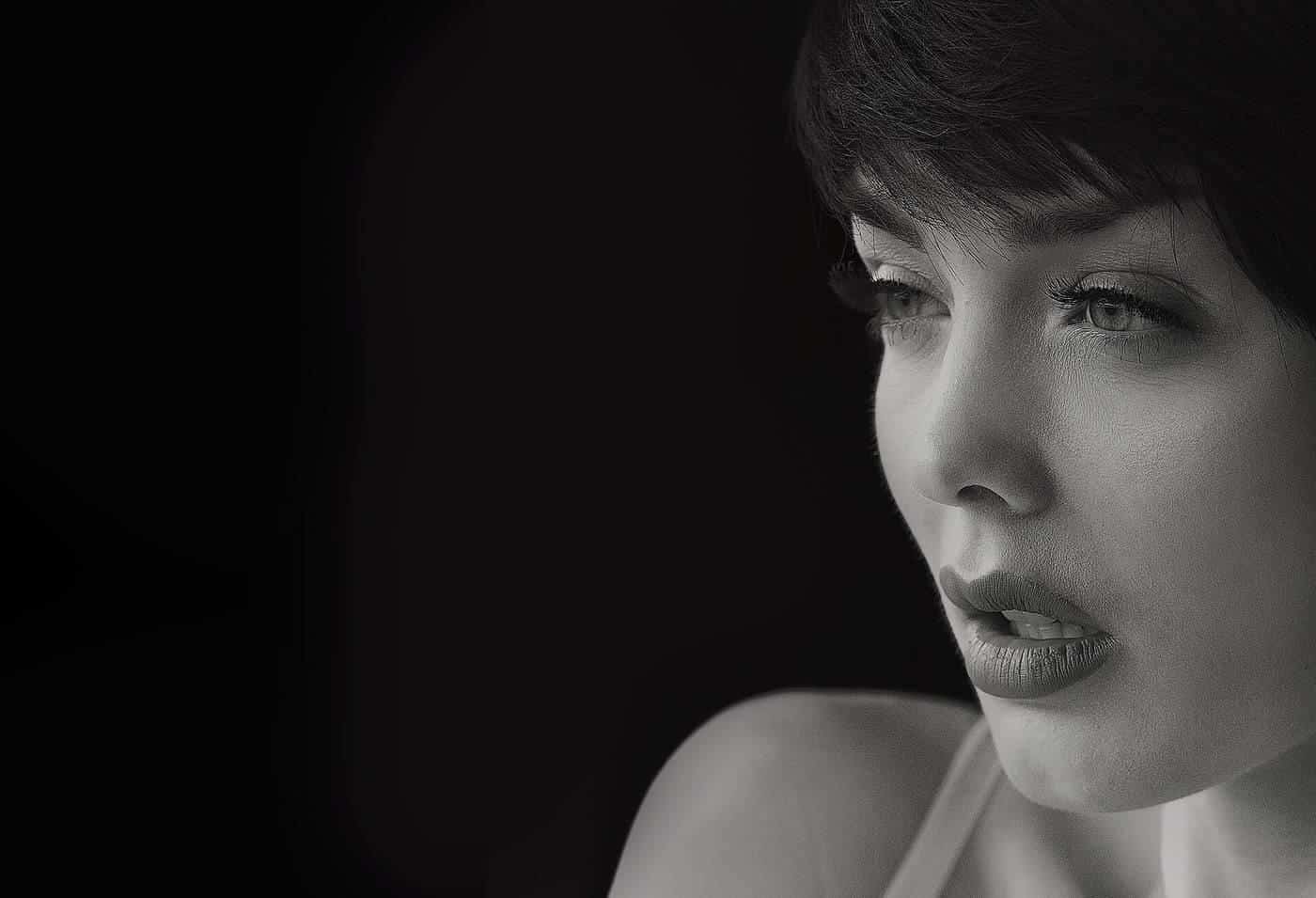
Colour is widely used now, particularly for screen work, because it shows true hair, eye and skin colouring. Some theatre contexts still use black and white. Ask your agent or check the platforms you use.
Clothing for actors
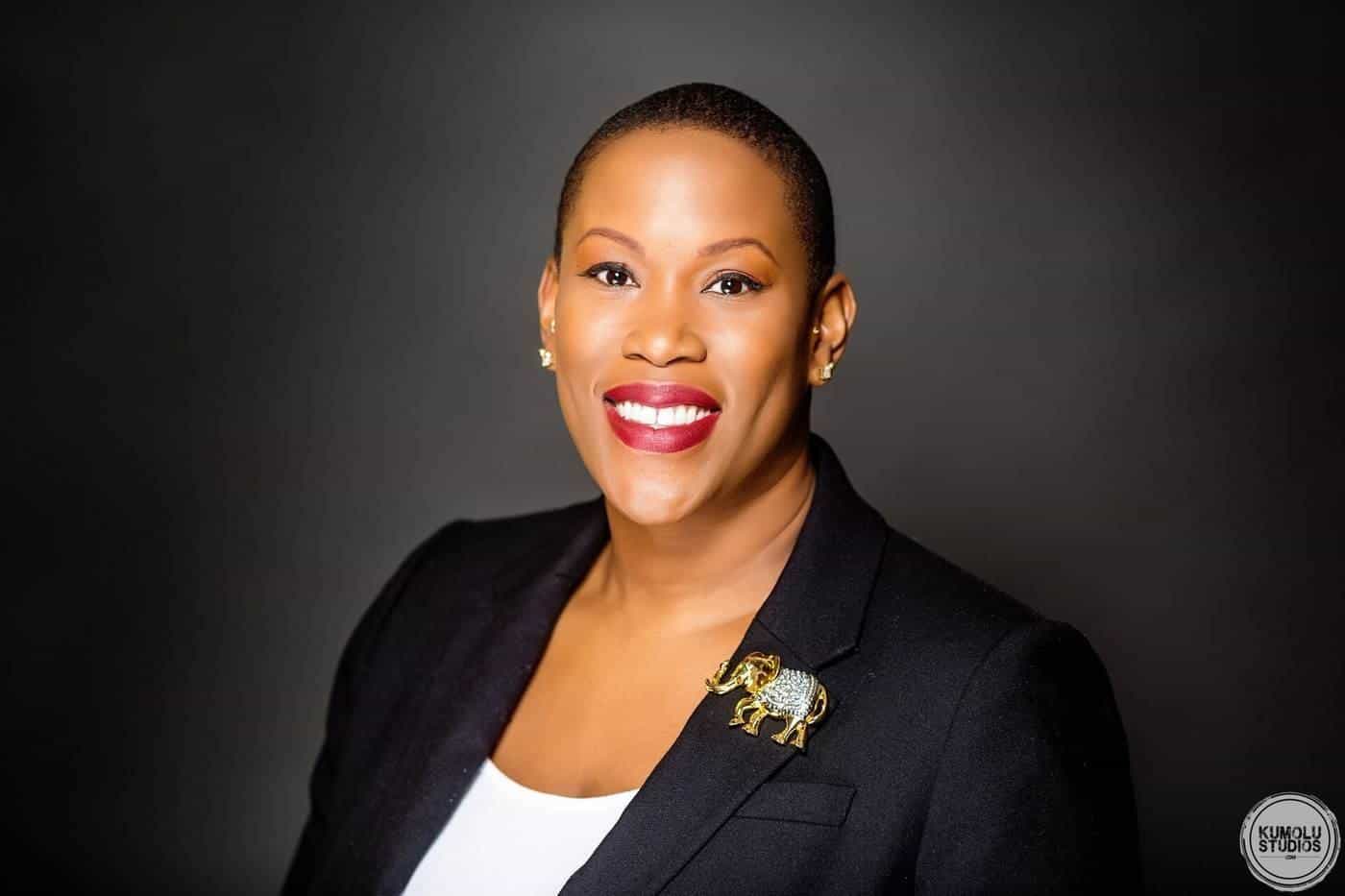
Plain, solid colours with simple necklines keep the focus on your face. Bring options in different colours and levels of formality. Avoid logos, busy patterns and very trendy pieces. Our what to wear guide has more detail.
Retouching
Light retouching of temporary marks, such as a blemish or stray hair, is common. Permanent features, such as scars, freckles, moles and lines, usually stay, because they're part of how you look. Agree on retouching with the photographer before you choose images, and say clearly if you want a natural result.
Choosing your photographer
Look at the photographer's portfolio of actor headshots specifically, rather than weddings or products. Check whether the people in the portfolio look like real people with different looks. Ask how long the session runs, how many looks you can do, how many retouched images are included and how you can use them. Our guide to choosing a photographer covers questions to ask.
Rights and usage
You'll want to use your headshot on casting profiles, agency pages, social media and printed material. In Australia, for commissioned photos taken for purposes other than private or domestic ones, the photographer generally owns copyright unless you agree otherwise, according to the Australian Copyright Council. Ask for a clear written licence that covers all the places you plan to use the images, including any credit you need to give.
Keeping it current
Update your headshot whenever your look changes noticeably: a new haircut or colour, growing or shaving a beard, or simply changes with age. Many working actors refresh their headshots regularly. An out-of-date headshot can waste everyone's time at an audition.
Agents and headshots
If you have an agent, talk to them before booking. They know what casting directors in your market expect, and may recommend crops, looks or colour treatments. If you're seeking representation, a clear, current headshot is often the first thing an agent sees, so it is worth the investment of time and care.
Printed headshots
Digital submission is now common, but some auditions and theatre contexts still ask for printed headshots. Ask your photographer for a file suitable for printing, and check whether your name should appear on the front or back. Keep some prints handy if you are attending open calls.
Building a small set
A useful set is often small: a clear head-and-shoulders image, a slightly wider image, and one or two alternative looks. Too many images can make it hard for casting teams to see who you are.
Use the shoot planner
Our free shoot planner turns what you need the photo for into a simple brief, covering framing, background, expression, outfits and a list of what to bring. It runs entirely in your browser, and nothing you choose is sent anywhere. Use it to prepare before you contact photographers, or to plan a DIY session at home.
Where our information comes from
We base factual statements in our guides on official and expert sources, such as the Australian Copyright Council, the ACCC, the Office of the Australian Information Commissioner, the eSafety Commissioner, the Australian Passport Office and platform help pages, which we list at the end of each page. Practical tips are general and written in our own words. Rules and platform requirements change, so check the source links before relying on any detail.
A good headshot in one sentence
A good headshot is sharp on the eyes, evenly lit, simply framed, current, and shows you looking relaxed and like yourself on a good day. Everything else in this guide supports those few goals.
Questions worth asking yourself
Before any shoot, ask yourself: where will this photo be used, who will see it, what impression do I want to give, and how will I feel about it in two years? Your answers guide your choices about clothes, setting, expression and photographer, and help you brief the person behind the camera.
Common mistakes to avoid
Common headshot problems include out-of-date photos, cluttered backgrounds, cropped group photos, sunglasses, heavy filters and low-resolution files. Each one is easy to fix with a little planning. If your current photo has one of these issues, it may be time for a refresh.
A note on accessibility
If you have accessibility needs, tell the photographer when booking. Many studios can arrange step-free access, seating, extra time or a quieter session. A good photographer will adapt the shoot so you are comfortable and look your best.
Understanding light in a headshot
Photographers often talk about the key light, the main light on your face, and the fill, which softens the shadows it creates. A large, soft light source close to you produces gentle shadows; a small, hard source produces crisp ones. Many classic portrait setups, such as loop or Rembrandt lighting, are named after the shape of the shadow they leave beside the nose. You don't need to know the terms, but asking a photographer how they plan to light you is a good way to understand their style.
Choosing a background colour
Neutral greys suit almost everyone and almost every website. White can look clean and modern but may blend with pale clothing or hair. Dark backgrounds feel dramatic and suit some creative and performing fields. Brand colours can work for teams if they are not too saturated. If you are unsure, a mid-grey with a soft gradient is a safe, timeless choice.
File formats and sizes
Most headshots are delivered as JPG files, which are widely supported and compact. Ask for a full-resolution file for print and a smaller web version for quick uploads. Some photographers also provide square crops for profile photos. Keep the largest file you receive as your master copy, and make smaller versions from it as needed rather than repeatedly re-saving edited copies, which can reduce quality.
Key points
- The headshot should look like the person who walks into the audition.
- Check crop and format requirements with agents and casting platforms.
- Keep retouching light; permanent features stay.
- Get a written licence covering every place you will use the images.
Frequently asked questions
Should actor headshots be colour or black and white?
Colour is now widely used for screen casting, but expectations vary. Ask your agent or check the platforms you submit to.
How much retouching is OK?
Light retouching of temporary blemishes is common. Permanent features should remain, so the photo matches you in person.
How often should I update my headshot?
Whenever your look changes noticeably, such as a haircut, colour change or a change in your appearance with age.
Do I need different looks?
Many actors have a couple of looks, such as warmer and more serious, that suit the roles they audition for.
Sources and further reading
Facts on this page were checked against these primary and official sources. Conditions change — confirm before you travel or buy.
- Photography & Copyright (INFO011) — Australian Copyright Council
- Consent for sharing photos and videos — eSafety Commissioner