Most people feel uncomfortable having their photo taken. A professional headshot session usually involves many frames and small adjustments, so you don't need to get everything right at once. Your job is to stay relaxed and respond to direction; the photographer's job is to light you well and notice small details.
This guide is general information written in our own words. We don't recommend particular photographers, studios or products, and we never quote prices: rates vary widely, so ask for written quotes.
Posture first
Good posture changes how confident you look. Sit or stand tall, as though a string is gently lifting the top of your head. Relax your shoulders down and away from your ears. If you're seated, sit towards the front edge of the chair rather than leaning back, and lean very slightly towards the camera, which tends to look engaged.
Angles of the body and shoulders
A body turned slightly away from the camera, with the face turned back towards the lens, often looks more natural than square-on shoulders. Square shoulders can look formal and broad, which some people want for corporate or authority images. Your photographer will usually try a few angles and show you the results.
Chin and neck
One of the most common pieces of direction is to bring the face slightly forward and down. It can feel strange, but extending the neck towards the camera defines the jawline and reduces the look of loose skin under the chin. Avoid tilting your chin up, which can show the underside of the nose, or pulling it back, which can create folds under the jaw.
Eyes
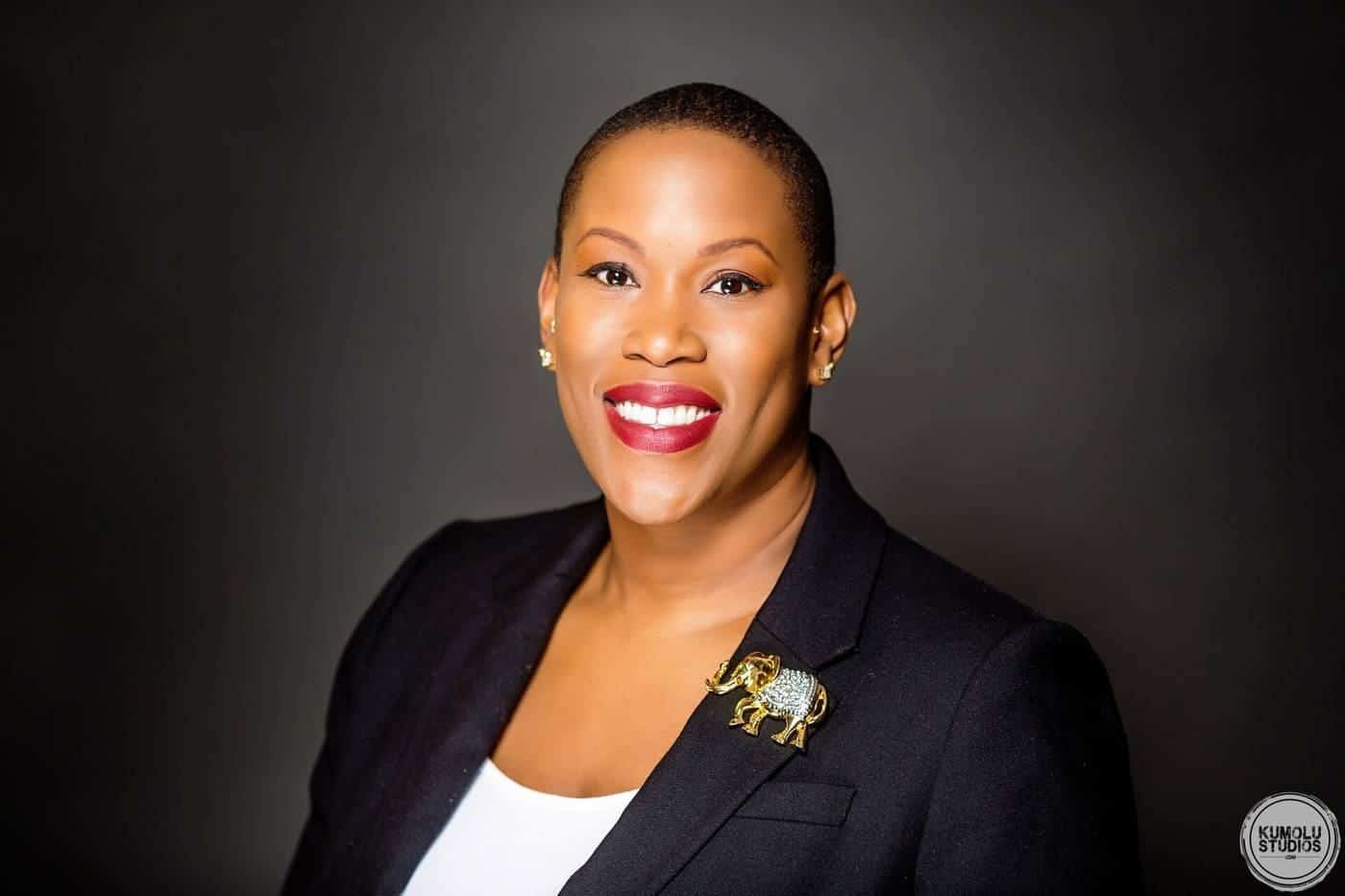
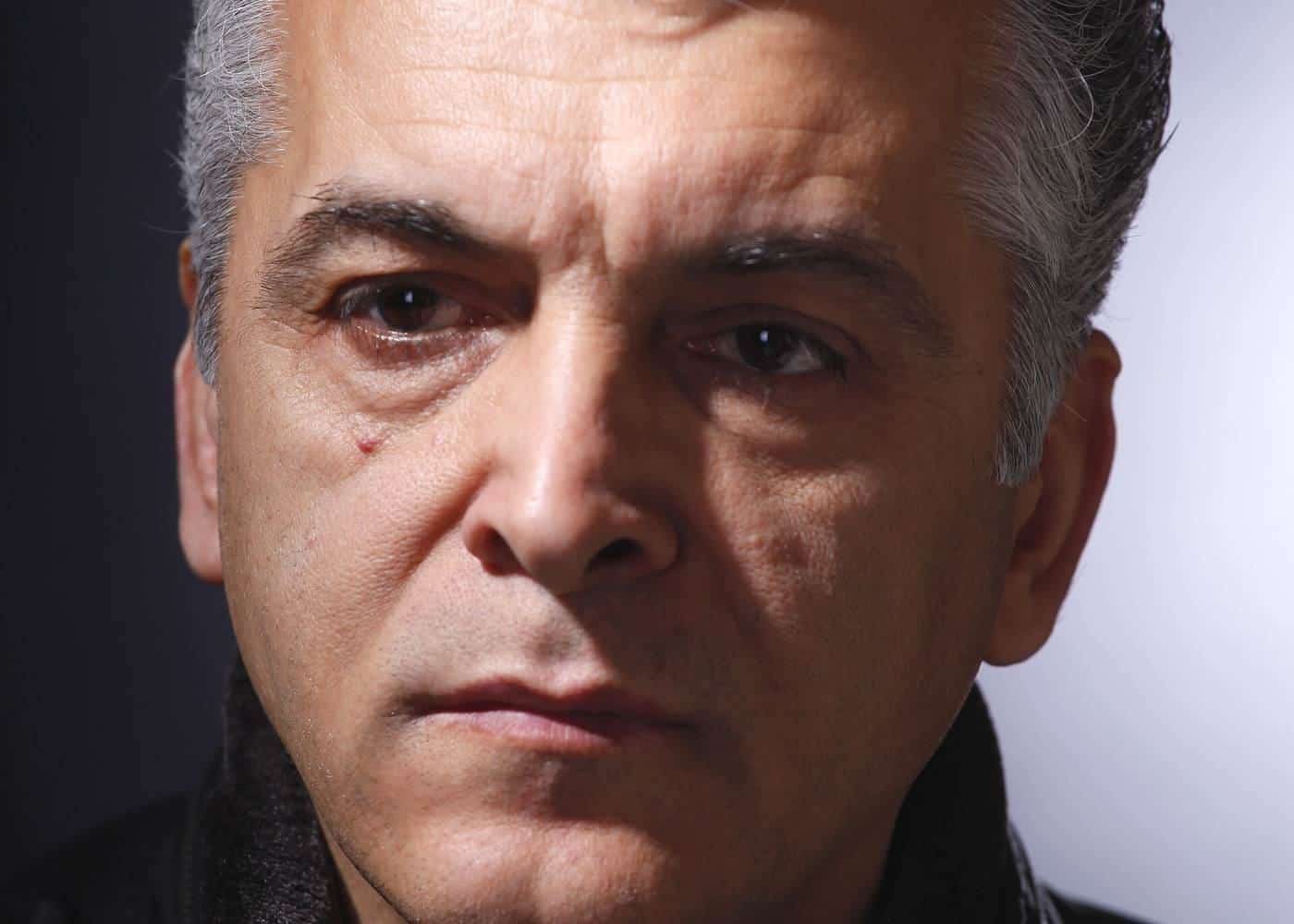
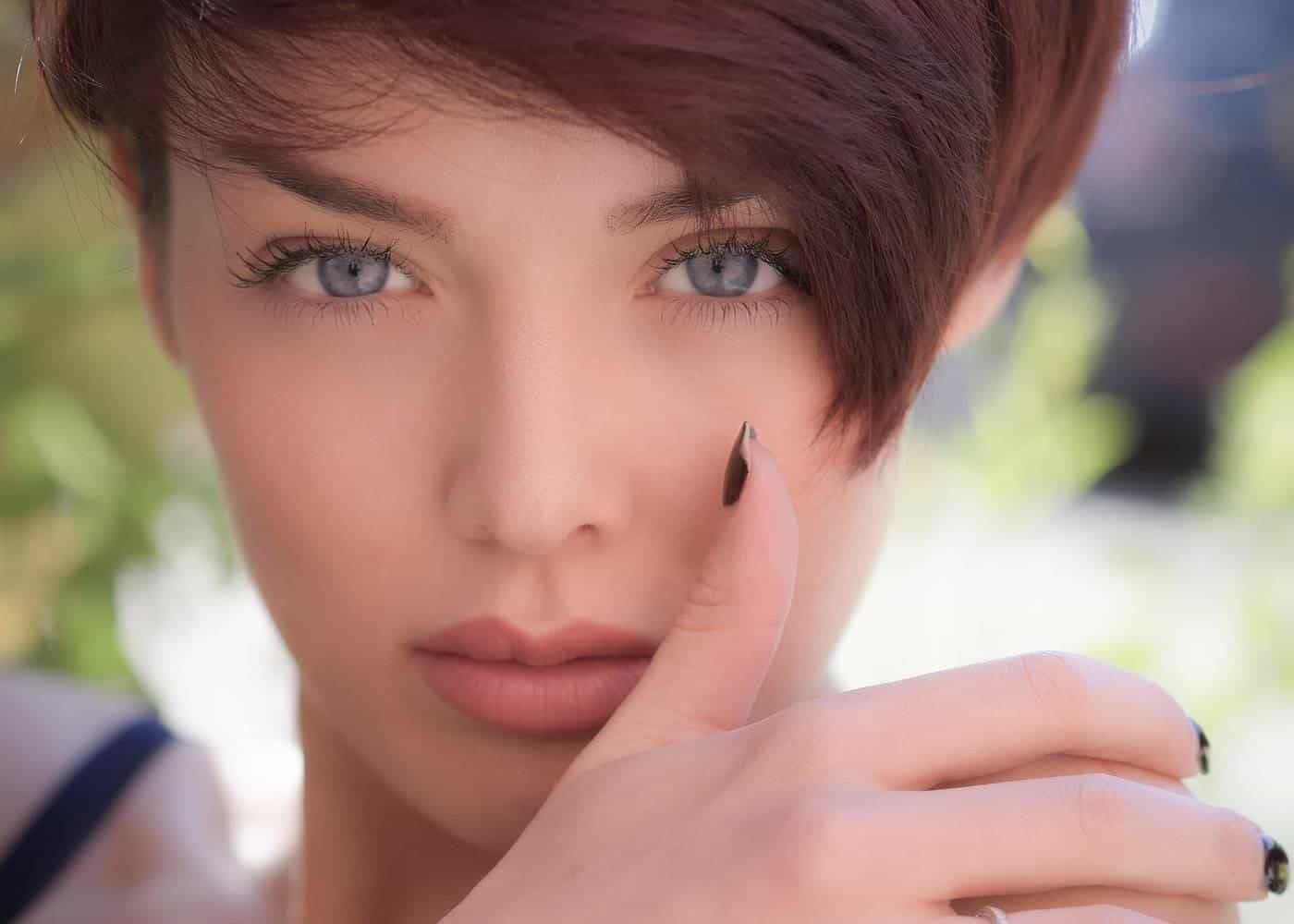
Eyes carry a lot of a headshot's expression. Many photographers say "squinch", meaning slightly narrow the lower eyelids, as you might when you recognise a friend. Wide, staring eyes can look surprised or nervous. Try looking away between frames and then back into the lens, which helps you avoid a fixed stare and keeps blinks to a minimum.
Smiling naturally
A forced smile usually shows in the eyes. Ideas that can help:
- Think of a person or memory that makes you happy.
- Breathe out gently just before the shutter clicks.
- Let a small laugh go, then hold the softer expression that follows.
- Try a range: neutral, slight smile, closed-mouth smile, full smile.
For corporate profiles, a warm, approachable expression is common. For acting, you may want a mix of neutral and warm looks. Choosing later from a range is easier than trying to find the perfect smile on the spot.
Hands
Most tight headshots don't show your hands. If the crop is wider, you might fold your arms loosely, rest your hands together or hold a jacket lapel. Keep hands relaxed, and avoid gripping tightly, which can make knuckles look tense.
Working with the photographer
Communication helps. Tell the photographer what you're hoping for, what the photo is for and whether there is a side of your face you prefer. Ask to see a few frames on screen early in the session so you can adjust. Many photographers tether the camera to a laptop or tablet so you can review images as you go.
Practising at home
A few minutes in front of a mirror or a phone camera can help. Practise the forward-and-down chin, the slight eye squinch and a few expressions. Notice what feels comfortable. It isn't about memorising poses, but about getting used to how small changes look.
Shooting in a team
At a team shoot, there may be less time per person. Arrive ready, have your outfit on, and be clear about which expression you prefer. Take a look at a few frames before you leave, and if something didn't work, ask politely whether a quick retake is possible.
Breathing and nerves
Nerves often show as tight shoulders and a held breath. Before the session, take a few slow breaths, letting the exhale be longer than the inhale. Between frames, roll your shoulders and shake out your hands. Many photographers chat during the session to help you forget the camera. If you feel stuck, say so: changing the pose, the music or the topic of conversation often helps.
Choosing your best side
Most faces are slightly asymmetrical. Some people prefer one side, often because of a parting in their hair or a feature they like. If you have a preference, tell the photographer; if not, they'll try both and you can compare. Don't worry too much about this. Small changes in angle and light usually matter more than which side faces the camera.
Glasses and posing
If you wear glasses, tilting the head very slightly down or changing the angle of the frames can reduce reflections. Make sure the frames sit level and don't hide your eyes. Your photographer may adjust lights to avoid glare. Push glasses up on your nose before each frame, since they can slide as you move.
Use the shoot planner
Our free shoot planner turns what you need the photo for into a simple brief, covering framing, background, expression, outfits and a list of what to bring. It runs entirely in your browser, and nothing you choose is sent anywhere. Use it to prepare before you contact photographers, or to plan a DIY session at home.
Where our information comes from
We base factual statements in our guides on official and expert sources, such as the Australian Copyright Council, the ACCC, the Office of the Australian Information Commissioner, the eSafety Commissioner, the Australian Passport Office and platform help pages, which we list at the end of each page. Practical tips are general and written in our own words. Rules and platform requirements change, so check the source links before relying on any detail.
A good headshot in one sentence
A good headshot is sharp on the eyes, evenly lit, simply framed, current, and shows you looking relaxed and like yourself on a good day. Everything else in this guide supports those few goals.
Questions worth asking yourself
Before any shoot, ask yourself: where will this photo be used, who will see it, what impression do I want to give, and how will I feel about it in two years? Your answers guide your choices about clothes, setting, expression and photographer, and help you brief the person behind the camera.
Common mistakes to avoid
Common headshot problems include out-of-date photos, cluttered backgrounds, cropped group photos, sunglasses, heavy filters and low-resolution files. Each one is easy to fix with a little planning. If your current photo has one of these issues, it may be time for a refresh.
A note on accessibility
If you have accessibility needs, tell the photographer when booking. Many studios can arrange step-free access, seating, extra time or a quieter session. A good photographer will adapt the shoot so you are comfortable and look your best.
Understanding light in a headshot
Photographers often talk about the key light, the main light on your face, and the fill, which softens the shadows it creates. A large, soft light source close to you produces gentle shadows; a small, hard source produces crisp ones. Many classic portrait setups, such as loop or Rembrandt lighting, are named after the shape of the shadow they leave beside the nose. You don't need to know the terms, but asking a photographer how they plan to light you is a good way to understand their style.
Choosing a background colour
Neutral greys suit almost everyone and almost every website. White can look clean and modern but may blend with pale clothing or hair. Dark backgrounds feel dramatic and suit some creative and performing fields. Brand colours can work for teams if they are not too saturated. If you are unsure, a mid-grey with a soft gradient is a safe, timeless choice.
Key points
- Good posture and relaxed shoulders matter more than complex poses.
- Bring your face slightly forward and down to define the jawline.
- Try a range of expressions so you can choose later.
- Review frames early in the session and adjust.
Frequently asked questions
How do I avoid a double chin?
Many photographers ask you to bring your face slightly forward and down, extending the neck. It feels odd but looks natural on camera.
Should I smile with teeth?
Try both. A range of expressions from a closed-mouth smile to a full smile gives you choices when you select images.
Where should I look?
Usually just into the lens, or where the photographer directs. Looking at the lens creates eye contact with the viewer.
What if I hate photos of myself?
Tell the photographer. Good ones are used to nervous clients and will guide you through small adjustments.
Sources and further reading
Facts on this page were checked against these primary and official sources. Conditions change — confirm before you travel or buy.
- Photo won't upload to your profile — LinkedIn Help
- Consent for sharing photos and videos — eSafety Commissioner