A headshot is often the first impression people get of you, and the camera sees more than you might expect. Bright, even lighting and modern sensors pick up stray hairs, shine and dry patches that are invisible in everyday life. The goal of good grooming is not to make you look different, but to remove small distractions so your face and expression come through.
This guide is general information written in our own words. We don't recommend particular photographers, studios or products, and we never quote prices: rates vary widely, so ask for written quotes.
Plan your timing
Think about timing a week or two ahead. A haircut or colour usually looks best a few days to a week after the appointment, once it has settled. Avoid trying a new style, a strong new colour or a new skin treatment just before the shoot. If something goes wrong, you won't have time to fix it, and you want the photo to look like you in the months ahead.
If you shave, consider doing it a few hours before the shoot rather than right before, to let any redness settle. If you have a beard, a trim two or three days ahead lets the edges soften. If you wax or tint eyebrows, do it several days before for the same reason.
Skin
Drink water and get a good night's sleep in the days before. Keep your skin-care routine the same, because new products can cause reactions. On the day, moisturise if your skin tends to look dry, but avoid heavy, shiny products. Sunburn and strong tan lines are hard to correct, so take care outdoors in the week before your session.
Shine and powder
Studio lights reflect off oily areas such as the forehead, nose and chin. A light translucent powder, or blotting papers, can reduce shine for any gender. Many photographers keep blotting papers on hand; bring your own if you're unsure.
Make-up
If you usually wear make-up, wear what you would for an important day, perhaps a touch more defined. The camera tends to soften colour, so very light make-up can disappear, while heavy contour or shimmer can look obvious in close-up. Matte or satin finishes usually photograph better than glitter or high shine. Avoid products with a strong sun protection factor on your face for flash photography, because some can reflect light and look pale on camera.
Bring your make-up with you for touch-ups, especially lip colour and powder. If you're having photos for a specific industry, such as acting, check whether casting teams expect a more natural look.
Professional make-up artists
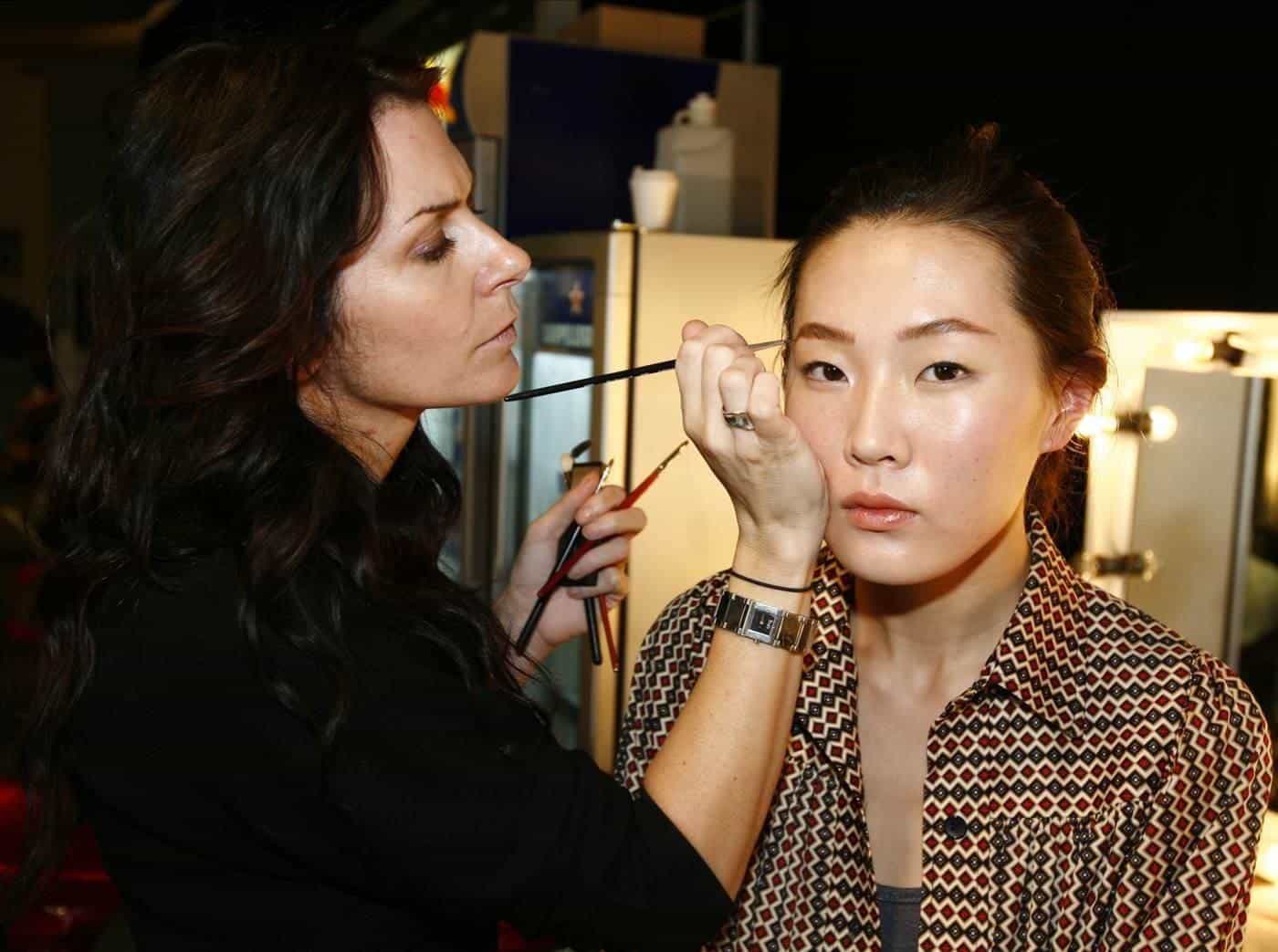
Some studios offer hair and make-up as part of a package, or can suggest a make-up artist they work with. A professional knows how products behave under lights and can save time on the day. It is optional, but can be worth it for actors, for people who rarely wear make-up and feel unsure, or for a team shoot where consistency matters. Ask what is included, how long it takes, and whether touch-ups during the shoot are included.
Hair on the day
Bring a brush or comb, hair ties, clips and a small amount of styling product. Flyaway hairs are among the most common distractions in headshots and can be time-consuming to retouch. If you have long hair, try it both forward over the shoulders and behind, as each changes the shape of the photo. Ask the photographer to point out any stray hairs between frames.
Glasses
If you wear glasses every day, it is usually best to wear them in at least some frames, so the photo looks like you. Clean the lenses before the shoot. Photographers can often reduce glare by changing the angle of the lights or of your head. Some people with prescription glasses ask their optometrist whether they can borrow empty frames for the day; this is optional and not necessary for most people.
Retouching
Ask the photographer what retouching is included and what style they use. Many people want small, temporary things removed, such as a blemish or a stray hair, while keeping permanent features such as freckles, scars or laugh lines. Heavy retouching can make a headshot look unlike you in person, which can be a problem for actors and for anyone meeting clients face to face. Agree on the level of retouching before you choose your final images.
Hair for different lengths and textures
Short hair often benefits from a little product to control flyaways and add shape. Curly and textured hair can look great with its natural definition; bring the products you usually use and a spray bottle to refresh curls. Long hair can be photographed forward, behind, or one side forward and one behind, each changing the look. Whatever your hair type, aim for a style you can recreate, so the photo still looks like you next month.
Facial hair
Beards and moustaches photograph best when neatly shaped and evenly trimmed. Stray hairs on the cheeks and neckline show in close-up. If you are considering a big change, such as shaving off a beard, do it well before the shoot so you can get used to the new look, or do it afterwards. Some people like to photograph both looks in one session if they are planning a change.
Lip care and teeth
Dry lips are surprisingly visible in close-up. A balm the night before and a light, non-shiny balm or lip colour on the day helps. If you plan to smile with teeth, brushing before the session is worthwhile. Avoid drinks that stain, such as red wine or strong coffee, just before your session if you are concerned.
Use the shoot planner
Our free shoot planner turns what you need the photo for into a simple brief, covering framing, background, expression, outfits and a list of what to bring. It runs entirely in your browser, and nothing you choose is sent anywhere. Use it to prepare before you contact photographers, or to plan a DIY session at home.
Where our information comes from
We base factual statements in our guides on official and expert sources, such as the Australian Copyright Council, the ACCC, the Office of the Australian Information Commissioner, the eSafety Commissioner, the Australian Passport Office and platform help pages, which we list at the end of each page. Practical tips are general and written in our own words. Rules and platform requirements change, so check the source links before relying on any detail.
A good headshot in one sentence
A good headshot is sharp on the eyes, evenly lit, simply framed, current, and shows you looking relaxed and like yourself on a good day. Everything else in this guide supports those few goals.
Questions worth asking yourself
Before any shoot, ask yourself: where will this photo be used, who will see it, what impression do I want to give, and how will I feel about it in two years? Your answers guide your choices about clothes, setting, expression and photographer, and help you brief the person behind the camera.
Common mistakes to avoid
Common headshot problems include out-of-date photos, cluttered backgrounds, cropped group photos, sunglasses, heavy filters and low-resolution files. Each one is easy to fix with a little planning. If your current photo has one of these issues, it may be time for a refresh.
A note on accessibility
If you have accessibility needs, tell the photographer when booking. Many studios can arrange step-free access, seating, extra time or a quieter session. A good photographer will adapt the shoot so you are comfortable and look your best.
Understanding light in a headshot
Photographers often talk about the key light, the main light on your face, and the fill, which softens the shadows it creates. A large, soft light source close to you produces gentle shadows; a small, hard source produces crisp ones. Many classic portrait setups, such as loop or Rembrandt lighting, are named after the shape of the shadow they leave beside the nose. You don't need to know the terms, but asking a photographer how they plan to light you is a good way to understand their style.
Key points
- Time haircuts, colour and grooming a few days to a week before the shoot.
- Keep skin-care routines unchanged and avoid sunburn.
- Translucent powder or blotting papers reduce shine for anyone.
- Agree on a natural level of retouching before selecting images.
Frequently asked questions
When should I get a haircut?
Many people prefer a cut a week or so before the shoot so it has time to settle. Avoid trying a dramatic new style just before.
Do men need make-up?
Not necessarily, but a light powder can reduce shine on the forehead and nose under bright lights. Ask the photographer what they suggest.
Should I book a make-up artist?
Some studios offer one or can recommend one. It can help, especially for actors or for a team, but it is optional.
Can blemishes be retouched?
Many photographers offer light retouching. Ask what is included and agree on how natural you want the result to look.
Sources and further reading
Facts on this page were checked against these primary and official sources. Conditions change — confirm before you travel or buy.
- Consent for sharing photos and videos — eSafety Commissioner
- Consumer guarantees — Australian Competition and Consumer Commission