Headshots for children and teenagers are most often needed for young performers, models or school leadership and sport programs. The same principles apply as for adults: look natural, keep it simple and make sure the photo matches the child. There are also extra considerations around consent, safety and privacy.
This guide is general information written in our own words. We don't recommend particular photographers, studios or products, and we never quote prices: rates vary widely, so ask for written quotes.
Keep it natural
A child's headshot should look like the child on an ordinary good day. Avoid heavy make-up, adult styling or costumes. Simple, comfortable clothing in solid colours works best. Children's appearance changes fast, so a photo that looks like them today will be useful for longer than an elaborately styled one.
Short, relaxed sessions
Young children have short attention spans. Book sessions at a time of day when your child is usually rested and fed. Bring snacks, water and something familiar. Good photographers who work with children keep sessions short, use play and conversation, and don't push a child who is tired or upset. It is better to stop and try again another day.
Being present
A parent or guardian should be present throughout a child's photo session. Ask the studio about this before you book, and choose a photographer who welcomes it.
Involve your child
The eSafety Commissioner encourages parents to talk with children about taking and sharing photos, and to involve them in decisions about what is shared, where possible. Older children and teens can help choose outfits and final images. Respect a "no": if your child doesn't want a particular photo used, think carefully before using it.
Privacy when sharing online
Photos can reveal more than you think. The eSafety Commissioner suggests avoiding sharing photos that include full names, contact details, school uniforms or anything that identifies your child's location. It also suggests using privacy settings, sharing selectively with people you trust and considering more private ways to share, such as direct messages.
For young performers, casting platforms and agencies may need images. Ask how they store images, who can see them, and how to remove them if you leave. Organisations covered by Australian privacy law must handle personal information according to the Australian Privacy Principles, which the Office of the Australian Information Commissioner explains.
Rights and usage
Under Australian copyright law, the Australian Copyright Council explains that for commissioned photos taken on or after 30 July 1998 for private or domestic purposes, such as family portraits, the client generally owns copyright unless agreed otherwise. Photos taken for other purposes, such as a young performer's casting headshots, generally belong to the photographer unless agreed otherwise. Always get the usage terms in writing, including whether the photographer may use your child's images in their own portfolio or advertising. You can say no to portfolio use.
Updating
Children grow quickly. Young performers usually need updated headshots more often than adults. If you have an agent, ask how often they want new images. For school or sport purposes, a recent, natural photo is usually all that's needed.
Teenagers
Teens often have firm views about how they look. Involve them in choosing outfits and final images. Keep styling age-appropriate and natural. Talk about where the photos will be used and who will see them, which helps build good habits around consent and privacy.
Choosing a photographer for children
Look for photographers with experience photographing children, and a calm, patient style. Ask how they work with young children, how long sessions last, and their policy on parents being present. Check their terms around portfolio use, and say no if you prefer your child's images not to be used in advertising.
Clothing for children
Choose comfortable, well-fitting clothes in solid colours, without logos or slogans. Avoid school uniforms in photos that may be shared publicly, as eSafety notes these can identify a child's school. Bring a spare top in case of spills.
Keeping it fun
Treat the session as an outing rather than a test. Praise effort, take breaks, and keep expectations realistic. A relaxed child gives natural expressions, which make the best photos.
Use the shoot planner
Our free shoot planner turns what you need the photo for into a simple brief, covering framing, background, expression, outfits and a list of what to bring. It runs entirely in your browser, and nothing you choose is sent anywhere. Use it to prepare before you contact photographers, or to plan a DIY session at home.
Where our information comes from
We base factual statements in our guides on official and expert sources, such as the Australian Copyright Council, the ACCC, the Office of the Australian Information Commissioner, the eSafety Commissioner, the Australian Passport Office and platform help pages, which we list at the end of each page. Practical tips are general and written in our own words. Rules and platform requirements change, so check the source links before relying on any detail.
A good headshot in one sentence
A good headshot is sharp on the eyes, evenly lit, simply framed, current, and shows you looking relaxed and like yourself on a good day. Everything else in this guide supports those few goals.
Questions worth asking yourself
Before any shoot, ask yourself: where will this photo be used, who will see it, what impression do I want to give, and how will I feel about it in two years? Your answers guide your choices about clothes, setting, expression and photographer, and help you brief the person behind the camera.
Common mistakes to avoid
Common headshot problems include out-of-date photos, cluttered backgrounds, cropped group photos, sunglasses, heavy filters and low-resolution files. Each one is easy to fix with a little planning. If your current photo has one of these issues, it may be time for a refresh.
A note on accessibility
If you have accessibility needs, tell the photographer when booking. Many studios can arrange step-free access, seating, extra time or a quieter session. A good photographer will adapt the shoot so you are comfortable and look your best.
Understanding light in a headshot
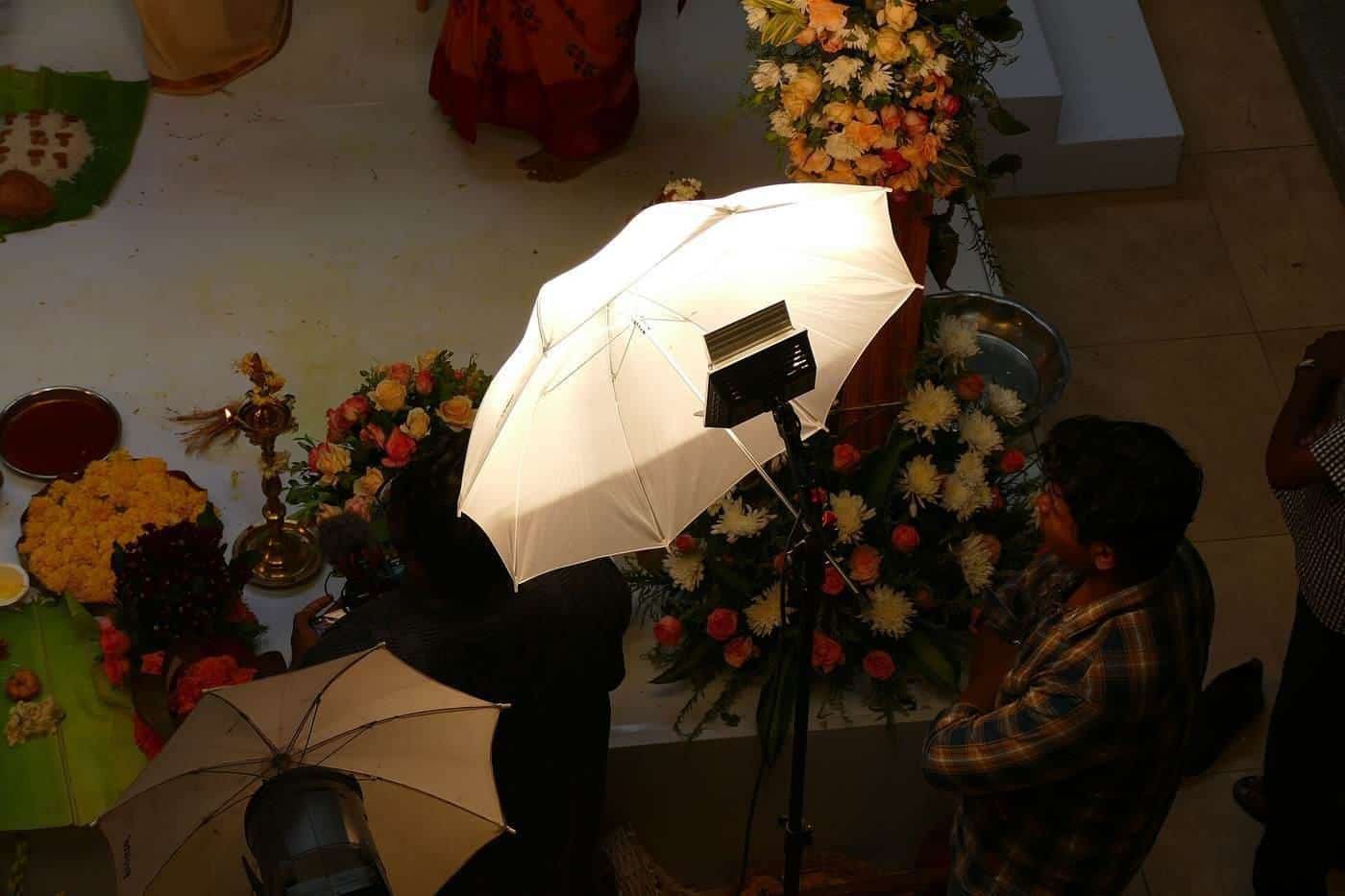
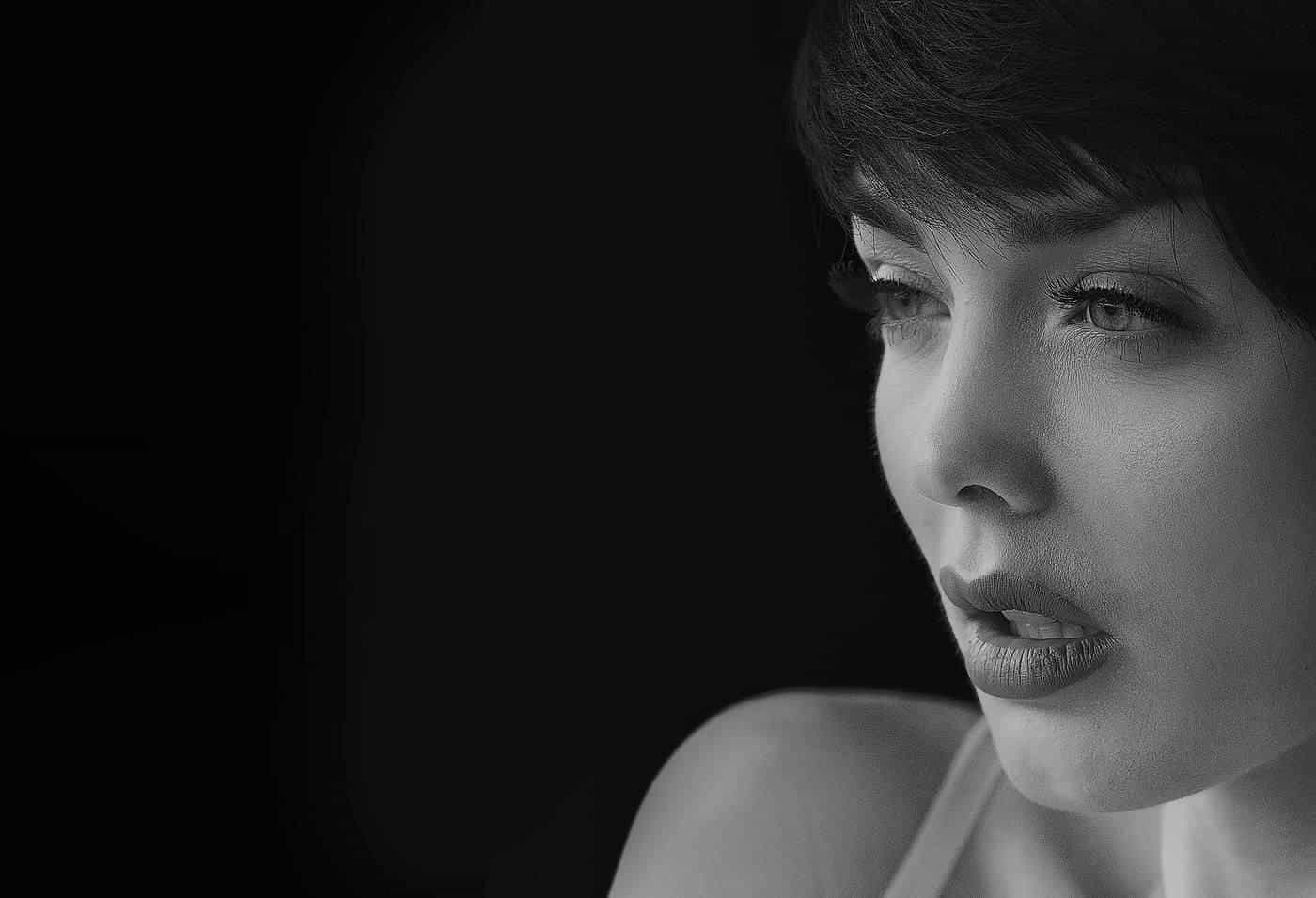
Photographers often talk about the key light, the main light on your face, and the fill, which softens the shadows it creates. A large, soft light source close to you produces gentle shadows; a small, hard source produces crisp ones. Many classic portrait setups, such as loop or Rembrandt lighting, are named after the shape of the shadow they leave beside the nose. You don't need to know the terms, but asking a photographer how they plan to light you is a good way to understand their style.
Choosing a background colour
Neutral greys suit almost everyone and almost every website. White can look clean and modern but may blend with pale clothing or hair. Dark backgrounds feel dramatic and suit some creative and performing fields. Brand colours can work for teams if they are not too saturated. If you are unsure, a mid-grey with a soft gradient is a safe, timeless choice.
File formats and sizes
Most headshots are delivered as JPG files, which are widely supported and compact. Ask for a full-resolution file for print and a smaller web version for quick uploads. Some photographers also provide square crops for profile photos. Keep the largest file you receive as your master copy, and make smaller versions from it as needed rather than repeatedly re-saving edited copies, which can reduce quality.
Retouching and honesty
A headshot is a promise that you look like this. Light retouching that removes temporary distractions keeps that promise; heavy smoothing, reshaping or digital make-up can break it. Many people find a natural result ages better and feels more confident to share. If you are unsure, ask the photographer to show you a lightly retouched version alongside the original.
Key points
- Keep children's headshots natural and age-appropriate.
- A parent or guardian should be present throughout.
- Limit identifying details when sharing online, as eSafety advises.
- Get usage terms in writing and decline portfolio use if you prefer.
Frequently asked questions
Do children need professional headshots?
Not usually. Young performers may need them, but for most children a good, natural photo is enough.
How often should a young performer update headshots?
Children change quickly, so many families update regularly. Ask an agent if you have one.
Should I stay during the shoot?
Yes. A parent or guardian should be present for a child's photo session.
Is it safe to post children's headshots online?
Think carefully. The eSafety Commissioner suggests limiting identifying details and who can see photos.
Sources and further reading
Facts on this page were checked against these primary and official sources. Conditions change — confirm before you travel or buy.
- Privacy and your child — eSafety Commissioner
- Consent for sharing photos and videos — eSafety Commissioner
- Australian Privacy Principles — Office of the Australian Information Commissioner