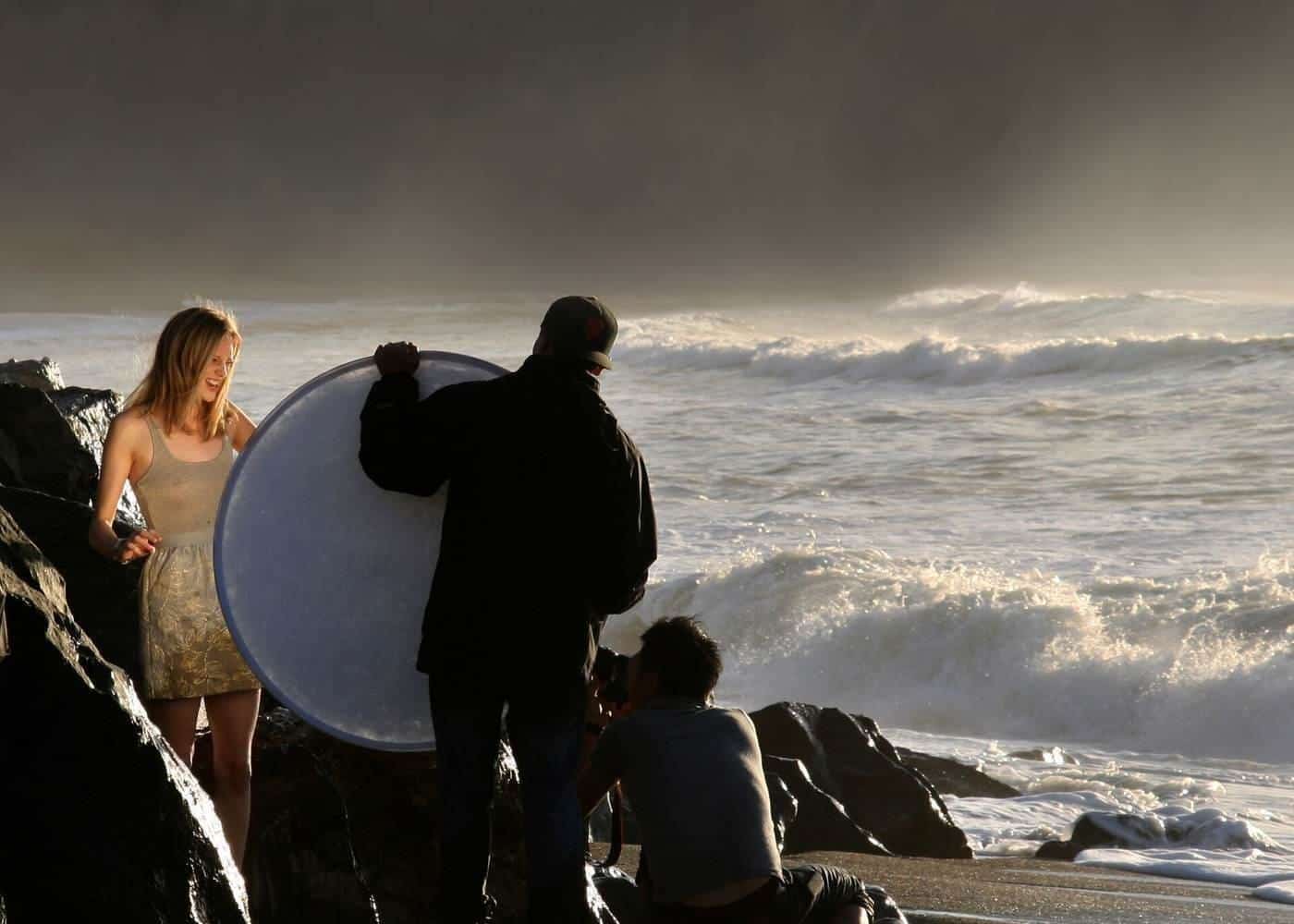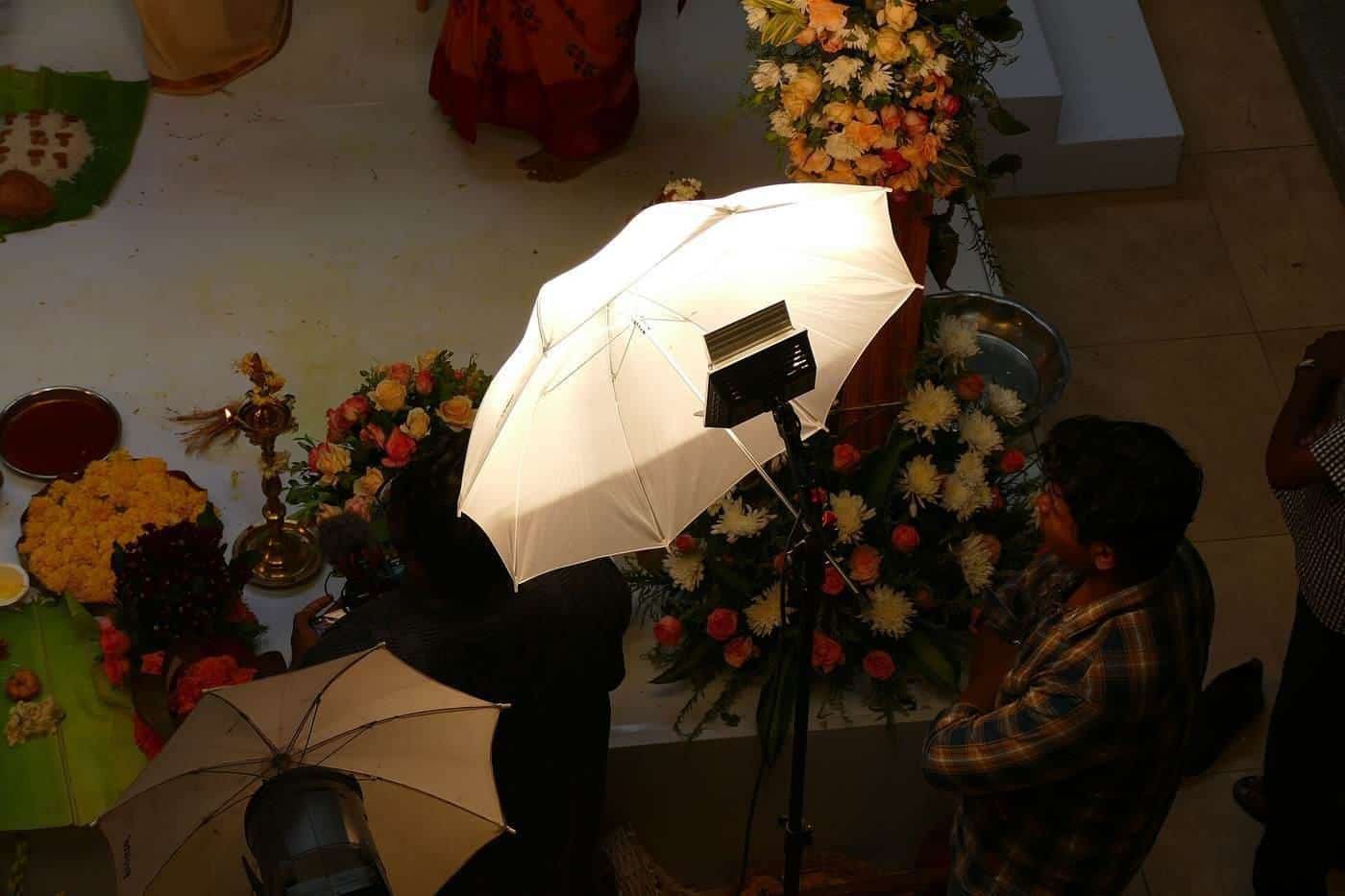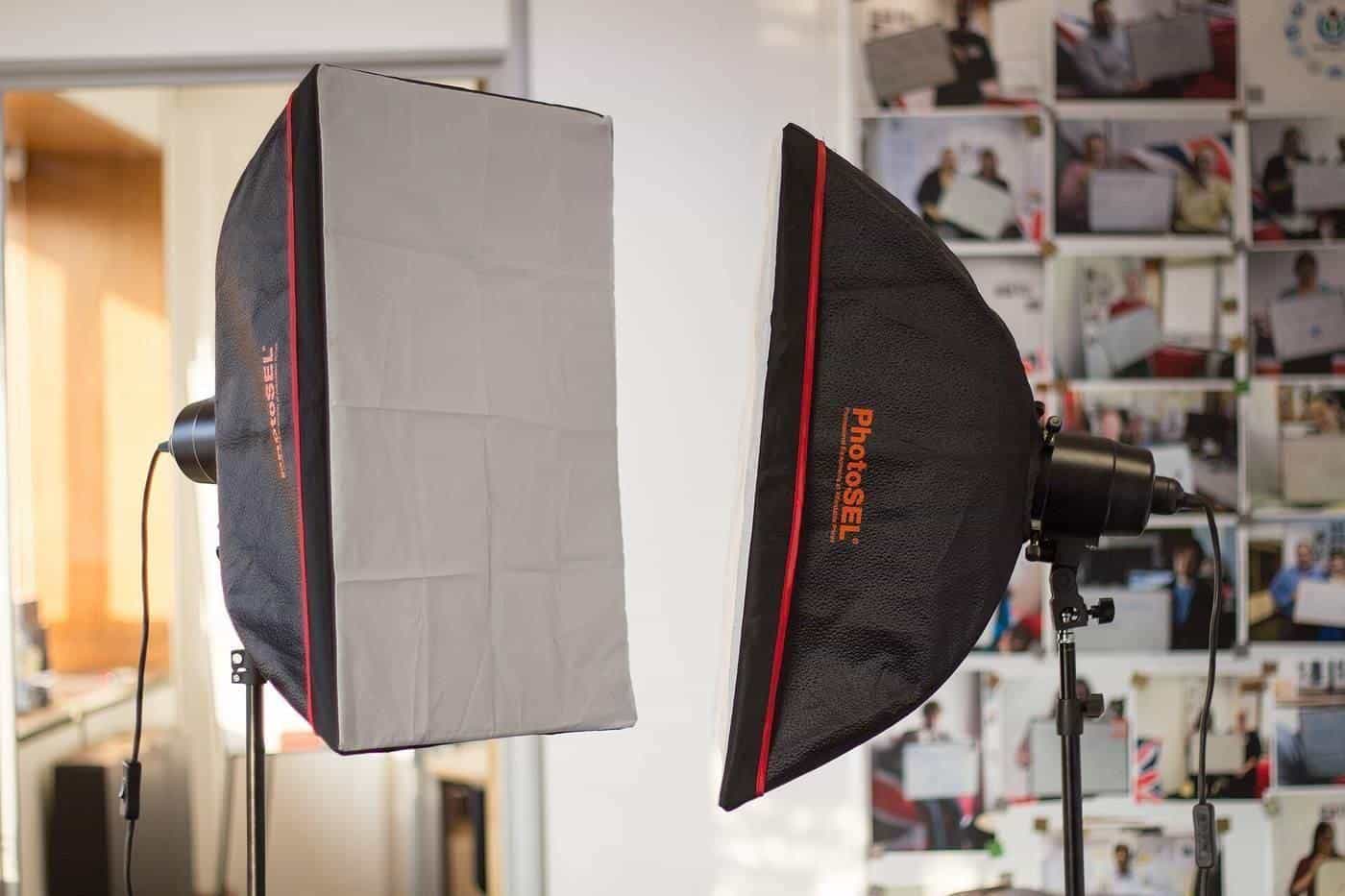
Team headshots appear on websites, proposals, intranets and email signatures. When they match in background, lighting, crop and style, an organisation looks consistent and professional. When they don't, the "Our people" page can look like a patchwork. Planning ahead avoids this.
This guide is general information written in our own words. We don't recommend particular photographers, studios or products, and we never quote prices: rates vary widely, so ask for written quotes.
Decide on the style first
Agree on the look before you book. Consider:
- Background: a plain colour, a branded colour, or a blurred office scene.
- Crop: head and shoulders, or half body.
- Lighting: soft and even, or more dramatic.
- Expression: warm and approachable, neutral or a mix.
- Dress: a short dress guide helps people prepare.
Look at the sites of organisations you admire for ideas, and bring examples to the photographer.
On site or in a studio
Many photographers can set up portable lighting and a backdrop in an office meeting room. On-site shoots save staff travel time and make it easier to photograph many people in a day. You'll need a room big enough for the lights and backdrop, with power outlets and a little distance between the person and the background. Studio sessions offer more control, but need people to travel. Our studio or location guide covers the trade-offs.
Scheduling the day
Create a timetable with short slots for each person, plus buffer time. Send staff the time, location and dress guide in advance. Give people a quiet place to check their hair and clothes. Have someone coordinate the queue, so the photographer can focus on photography.
Consent and preferences
Some people have good reasons not to appear online, including safety concerns. Ask for consent before publishing staff images, and respect preferences. Australian privacy law treats photos of identifiable people as personal information in many contexts, and organisations covered by the law must handle personal information in line with the Australian Privacy Principles, as the Office of the Australian Information Commissioner explains. Get advice if you're unsure about your obligations.
Matching new starters
Keep a record of the setup: background colour or material, lighting positions, camera height, lens, distance and crop. Many photographers keep this on file. With good notes, new starters can be photographed months later and still match.
Delivery and naming
Agree on file formats, sizes and naming conventions in advance. For example, files named by person and crop size make it easier for your web team. Ask for both full-resolution files and web-ready versions.
Rights and licensing
The Australian Copyright Council explains that, for commissioned photos taken on or after 30 July 1998 for purposes other than private or domestic ones, the photographer is generally the first copyright owner unless agreed otherwise. Agree in writing how your organisation may use the images, for how long, and whether staff may use their own headshots on personal profiles or after they leave.
Storing and removing images
Keep the original files somewhere secure and organised. When a staff member leaves, remove their photo from the website and other materials in line with your policies.
Consumer guarantees for services
When you buy photography services, the Australian Consumer Law includes guarantees that services will be provided with acceptable care and skill, be fit for any purpose you made known, and be delivered within a reasonable time if no time was agreed, according to the ACCC. Clear written agreements about what is included help avoid disputes.
A sample brief for staff
A short note to staff might include: the date and time of their slot, where to go, the dress guide, a reminder to bring glasses if they wear them, and who to contact if they can't make it. Explain how the photos will be used and how to raise any concerns privately. Keep the tone friendly; people are more relaxed when they know what to expect.
Accessibility
Make sure the shoot space is accessible, with seating available. Some people prefer to be photographed seated. Allow extra time for anyone who needs it, and let staff request a private session if they would feel more comfortable.
Budgeting time
Ask the photographer how long each person needs. Short slots are possible with a fixed setup, but allow buffer time for people who arrive late or want a second try.
Use the shoot planner
Our free shoot planner turns what you need the photo for into a simple brief, covering framing, background, expression, outfits and a list of what to bring. It runs entirely in your browser, and nothing you choose is sent anywhere. Use it to prepare before you contact photographers, or to plan a DIY session at home.
Where our information comes from
We base factual statements in our guides on official and expert sources, such as the Australian Copyright Council, the ACCC, the Office of the Australian Information Commissioner, the eSafety Commissioner, the Australian Passport Office and platform help pages, which we list at the end of each page. Practical tips are general and written in our own words. Rules and platform requirements change, so check the source links before relying on any detail.
A good headshot in one sentence
A good headshot is sharp on the eyes, evenly lit, simply framed, current, and shows you looking relaxed and like yourself on a good day. Everything else in this guide supports those few goals.
Questions worth asking yourself
Before any shoot, ask yourself: where will this photo be used, who will see it, what impression do I want to give, and how will I feel about it in two years? Your answers guide your choices about clothes, setting, expression and photographer, and help you brief the person behind the camera.
Common mistakes to avoid
Common headshot problems include out-of-date photos, cluttered backgrounds, cropped group photos, sunglasses, heavy filters and low-resolution files. Each one is easy to fix with a little planning. If your current photo has one of these issues, it may be time for a refresh.
A note on accessibility
If you have accessibility needs, tell the photographer when booking. Many studios can arrange step-free access, seating, extra time or a quieter session. A good photographer will adapt the shoot so you are comfortable and look your best.
Understanding light in a headshot
Photographers often talk about the key light, the main light on your face, and the fill, which softens the shadows it creates. A large, soft light source close to you produces gentle shadows; a small, hard source produces crisp ones. Many classic portrait setups, such as loop or Rembrandt lighting, are named after the shape of the shadow they leave beside the nose. You don't need to know the terms, but asking a photographer how they plan to light you is a good way to understand their style.
Choosing a background colour
Neutral greys suit almost everyone and almost every website. White can look clean and modern but may blend with pale clothing or hair. Dark backgrounds feel dramatic and suit some creative and performing fields. Brand colours can work for teams if they are not too saturated. If you are unsure, a mid-grey with a soft gradient is a safe, timeless choice.
File formats and sizes
Most headshots are delivered as JPG files, which are widely supported and compact. Ask for a full-resolution file for print and a smaller web version for quick uploads. Some photographers also provide square crops for profile photos. Keep the largest file you receive as your master copy, and make smaller versions from it as needed rather than repeatedly re-saving edited copies, which can reduce quality.
Key points
- Agree on background, crop, lighting and dress before booking.
- On-site shoots need a suitable room and a coordinator.
- Ask for consent and respect staff preferences.
- Record the setup so new starters can match later.
Frequently asked questions
Can a photographer come to our office?
Many photographers offer on-site sessions with portable lighting and backdrops. You need a suitable room.
How do we match new starters later?
Record the setup: background, lighting, lens, distance and crop. A photographer can then repeat it.
Do staff have to be photographed?
Ask for consent and respect preferences. Some people have good reasons not to appear online.
Who owns the images?
Unless you agree otherwise, the photographer generally owns copyright in commercial photos. Agree on the licence in writing.
Sources and further reading
Facts on this page were checked against these primary and official sources. Conditions change — confirm before you travel or buy.
- Photography & Copyright (INFO011) — Australian Copyright Council
- Australian Privacy Principles — Office of the Australian Information Commissioner
- Consumer guarantees — Australian Competition and Consumer Commission